What is Dry Needling?
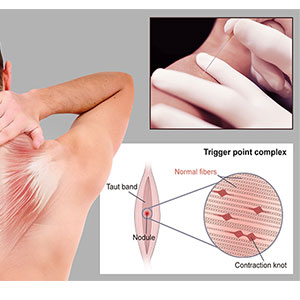
Dry needling is a specialized treatment used to relieve muscle tightness and trigger points that can cause pain and limit movement. It involves the use of thin, sterile needles inserted into specific areas of muscle tension to promote relaxation, improve circulation, and restore more normal function. This technique is often combined with manual therapy and movement-based treatment to support overall recovery.
What are the Benefits of Dry Needling?
Dry needling can enhance your overall treatment plan by targeting muscle dysfunction directly. Benefits may include:
- Reduction in muscle tightness and discomfort
- Improved range of motion and flexibility
- Enhanced muscle activation and coordination
- Decreased pain during daily activities
- Faster progress when combined with exercise and therapy
When is Dry Needling Recommended?
Dry needling is typically recommended when muscle tension is contributing to pain or limiting movement. It may be used in the following situations:
- Presence of trigger points or muscle knots
- Ongoing muscle tightness that does not respond to stretching alone
- Pain with movement or activity
- Limited mobility due to soft tissue restrictions
- As part of a broader physical therapy plan
What does Preparation for Dry Needling involve?
Preparation begins with a thorough evaluation to identify areas of muscle tightness and determine if dry needling is appropriate. Your provider will explain the process, answer any questions, and ensure you feel comfortable with the treatment. Patients are generally advised to wear comfortable clothing and stay hydrated prior to the session.
How is Dry Needling performed?
During treatment, a trained provider inserts very thin needles into targeted muscle areas. This may create a brief twitch response, which helps the muscle release tension. The process is typically quick and is often combined with stretching, manual therapy, or guided movement exercises to improve overall results.
What to Expect during Recovery after Dry Needling?
After treatment, you may experience mild soreness similar to post-exercise discomfort, which usually resolves within 24–48 hours. Many patients notice improved mobility and reduced muscle tension shortly after the session.
What are the Risks and Complications of Dry Needling?
Dry needling is generally safe when performed by a trained professional, though some minor side effects may occur:
- Temporary soreness or tenderness
- Mild bruising at the treatment site
- Rare risk of infection if proper precautions are not followed