At Anchor Pain & Movement, preventive and wellness therapies are designed to help patients stay active, improve mobility, and reduce the risk of future injuries or chronic pain conditions. Through personalized treatment plans and movement-focused care, our team works to support long-term physical health and overall well-being.
Conditions

Sports Injuries
Sports injuries are injuries sustained by athletes or active individuals while playing indoor or outdoor sports such as football, basketball, baseball, hockey, tennis, or while exercising.
Overuse Injuries
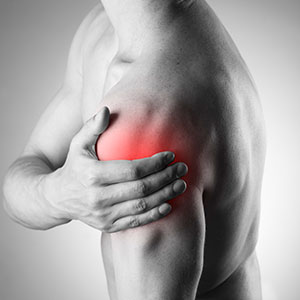
Overuse injuries are defined as damage to muscles, ligaments, tendons, or bones as a result of repetitive stress over time. Overuse injuries are often sports-related, and seen in tennis, swimming, soccer, and other activities that involve repetitive motions.
Mobility Limitations after Injury
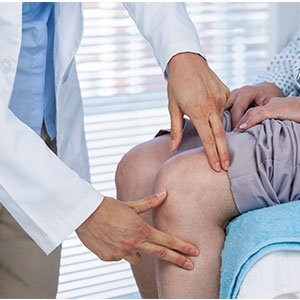
Mobility limitations after injury refer to difficulties in moving or performing daily activities due to damage to muscles, bones, joints, ligaments, nerves, or other body tissues caused by an injury.

Functional Strength Deficits
Functional strength deficits refer to reduced muscle strength that affects a person’s ability to perform everyday activities efficiently and safely. These deficits may impact movements such as walking, climbing stairs, lifting objects, standing from a chair, balance, or maintaining posture.

Pelvic Health Concerns
Pelvic health concerns refer to a range of conditions that affect the muscles, ligaments, nerves, and organs within the pelvic region. These concerns can impact bladder and bowel control, sexual function, posture, movement, and overall quality of life.
Poor Balance
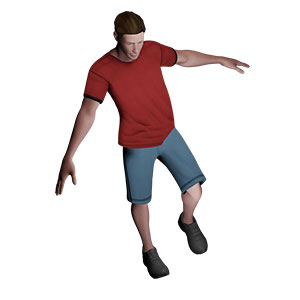
Poor balance can be defined as a sense of unsteadiness on your feet due to dizzy spells or lightheadedness, fainting, blackouts, or loss of consciousness.

Muscle Spasms
Muscle spasms (cramps) are a sudden, involuntary, and often painful contraction of a muscle or group of muscles. It usually occurs without warning and can last from a few seconds to several minutes. During a cramp, the affected muscle becomes tight, hard, and difficult to move.
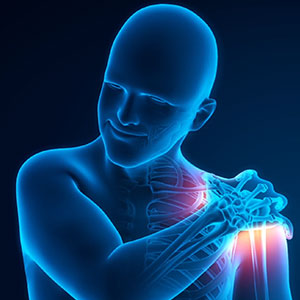
Post-Traumatic Stiffness of the Shoulder
Post-traumatic stiffness of the shoulder is the inability of the shoulder joint to move freely due to the damage sustained to the normal gliding surfaces of the shoulder as a result of trauma (injury) or surgery.
Procedures
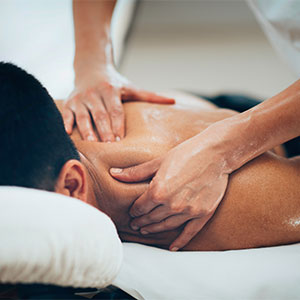
Therapeutic Massage for Stress and Muscle Recovery
Therapeutic massage for stress and muscle recovery is a hands-on treatment that uses targeted pressure, strokes, and muscle manipulation to relieve physical tension and promote relaxation.
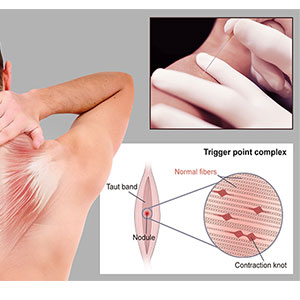
Dry Needling Support for Tight Muscle Areas
Dry needling is a procedure to treat myofascial pain syndrome. Your skin is punctured with thin needles to provide relief from pain and offer other therapeutic benefits.
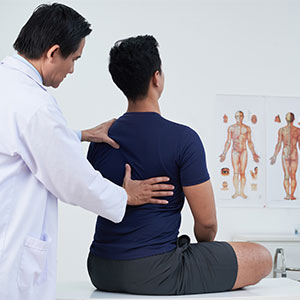
Spinal Mobilization and Manual Spine Care
Spinal mobilization and manual spine care are hands-on techniques used by trained professionals (such as physical therapists or chiropractors) to improve the movement, alignment, and function of the spine.
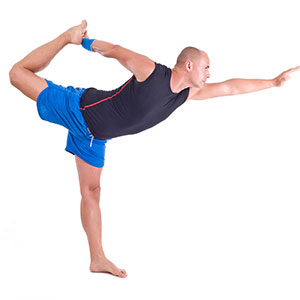
Balance and Stability Training
Balance and stability training is a remedial and rehabilitative program to improve the stability and balance of your body through specific exercises.

Strengthening Exercises
Strengthening exercises are defined as physical activities intended to strengthen your musculoskeletal system. They help improve muscle strength, size, endurance, power, and flexibility.

Movement Analysis
Movement Analysis in physical therapy involves closely observing and evaluating a person’s movement patterns and biomechanics to detect any abnormalities, imbalances, or dysfunctions that may lead to pain, injury, or limited mobility.
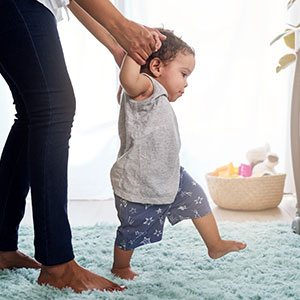
Pediatric & Infant Movement Support
Pediatric and infant movement support refers to specialized care that helps babies and children develop healthy movement patterns, strength, coordination, and motor skills as they grow.
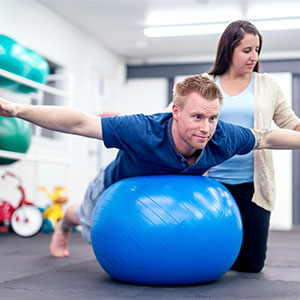
Balance Therapy
Balance therapy is a remedial program to treat balance problems and improve the stability and balance of your body. Several medical conditions can cause balance problems, but the most common contributor is a disturbance of the inner ear (vestibular system).
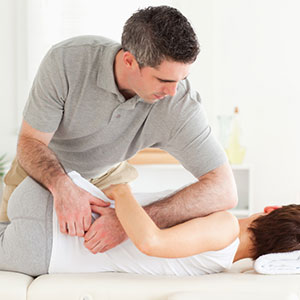
Spinal Manipulation
Spinal Manipulation is a non-surgical "hands-on" technique in which professional chiropractic specialists use leverage and exercises to adjust spinal structures and restore mobility of the back.
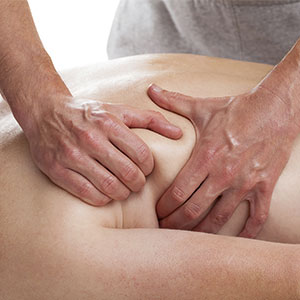
Myofascial Release
Myofascial pain syndrome is characterized by muscle pain, spasms, and tenderness in your myofascial tissues. These tissues surround and support the muscles throughout your body.
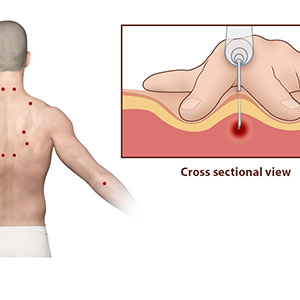
Trigger Point Injection
A trigger point injection or TPI is a minimally invasive outpatient procedure employed for the treatment of chronic muscle pain, stiffness, and inflammation caused by trigger points.
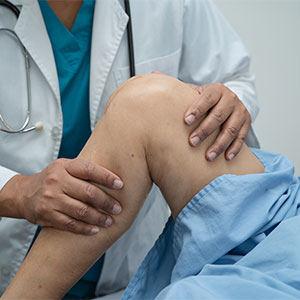
Joint Mobilization
Joint mobilization is a manual therapy technique used by physical therapists, chiropractors, and other healthcare professionals to treat joint dysfunctions, pain, and restricted movement.
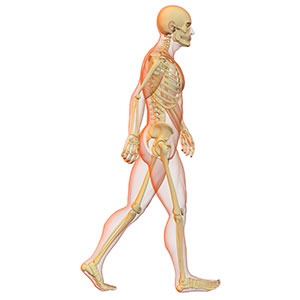
Gait Analysis
Gait refers to the pattern of walking. Gait analysis, also known as motion analysis, is a test to analyze how a patient walks and identify any unusual walking pattern. A proper gait is a result of correct coordination of the brain, muscles, and nerves all the time.
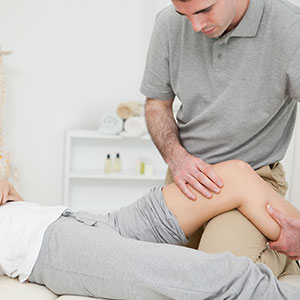
Manual Therapy
Specific skilled movements performed on the joints and soft tissue of your body by a therapist (an experienced orthopedic clinician) is called manual therapy.
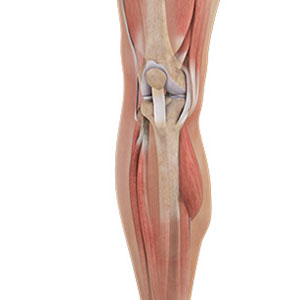
Physical Therapy
Physical therapy (PT) is an exercise program that helps you improve movement, relieve pain, encourage blood flow for faster healing, and restore your physical function and fitness level.
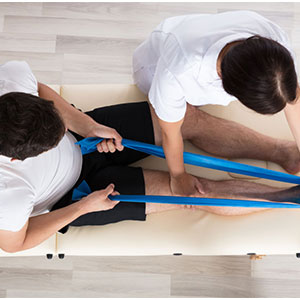
Physical Therapy for Injury Prevention
Physical therapy for injury prevention is a proactive approach aimed at reducing the risk of injuries, particularly for individuals engaged in physical activities, sports, or those at risk due to specific conditions or lifestyle factors.