What are Mobility Limitations after Injury?
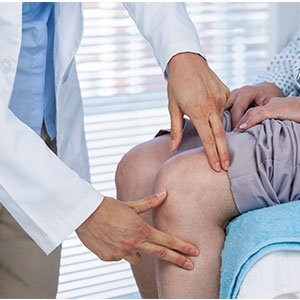
Mobility limitations after injury refer to difficulties in moving or performing daily activities due to damage to muscles, bones, joints, ligaments, nerves, or other body tissues caused by an injury. These limitations may affect walking, standing, bending, lifting, balance, coordination, or overall physical function.
What are the Injuries that Affect Mobility?
Several types of injuries can affect mobility by limiting movement, strength, balance, or coordination. Common injuries include:
- Fractures (Broken Bones): Can make walking or moving difficult until the bone heals.
- Sprains and Strains: Damage to ligaments or muscles may cause pain, swelling, and reduced movement.
- Joint Injuries: Injuries to the knee, hip, ankle, or shoulder can restrict flexibility and stability.
- Spinal Cord or Back Injuries: May affect posture, balance, walking ability, or nerve function.
- Sports Injuries: Torn ligaments, tendon injuries, or muscle tears can impair physical activity and mobility.
- Nerve Injuries: Can lead to weakness, numbness, or loss of coordination.
- Head or Brain Injuries: Severe injuries may affect balance, coordination, and motor control.
- Post-Surgical Conditions: Mobility may be temporarily reduced after orthopedic or other major surgeries.
- Soft Tissue Injuries: Damage to muscles, tendons, or connective tissues can cause stiffness and pain during movement.
- Amputations or Severe Trauma: May significantly impact movement and require rehabilitation or assistive devices.
What Does Treatment for Mobility Limitations after Injury Involve?
Treatment for mobility limitations after injury focuses on reducing pain, restoring movement, improving strength, and helping the person regain independence. The treatment plan depends on the type and severity of the injury. It may involve:
- Physical Therapy: Exercises and stretching programs to improve strength, flexibility, balance, and range of motion.
- Pain Management: Use of medications, heat/cold therapy, electrical stimulation, or manual therapy to reduce discomfort.
- Mobility Training: Practice with walking, standing, transferring, and other daily movements.
- Assistive Devices: Use of crutches, walkers, braces, wheelchairs, or orthotics to support safe movement.
- Manual Therapy: Hands-on techniques to improve joint and muscle function and reduce stiffness.
- Occupational Therapy: Training to help patients perform daily activities more easily and safely.
- Post-Surgical Rehabilitation: Structured recovery programs after orthopedic or traumatic injuries.
- Strength and Balance Training: Exercises to improve coordination and prevent falls or re-injury.
- Lifestyle and Home Modifications: Adjustments to the home or workplace to improve safety and accessibility.
- Patient Education: Guidance on posture, body mechanics, activity modification, and injury prevention.
Summary
Mobility limitations after injury refer to difficulties in movement caused by damage to the muscles, bones, joints, nerves, or soft tissues. These limitations can affect walking, balance, flexibility, strength, and daily activities. Common causes include fractures, sprains, spinal injuries, sports injuries, and post-surgical recovery. Early diagnosis, rehabilitation, physical therapy, and supportive care play an important role in restoring mobility, improving independence, and enhancing overall quality of life.