
What is Pediatric & Infant Movement Support?
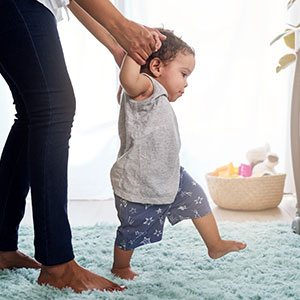
Pediatric and infant movement support refers to specialized care that helps babies and children develop healthy movement patterns, strength, coordination, and motor skills as they grow. It focuses on identifying and addressing delays or difficulties early to support optimal physical development.
When is Pediatric and Infant Movement Support Needed?
Pediatric and infant movement support is typically needed in the following situations:
- Delayed developmental milestones (e.g., not rolling, sitting, crawling, or walking on time)
- Premature birth or low birth weight
- Diagnosed with neurological or developmental conditions like cerebral palsy
- Low muscle tone (floppiness) or high muscle stiffness
- Poor head control or difficulty maintaining posture
- Asymmetrical movements (favoring one side of the body)
- Feeding difficulties related to poor muscle coordination
- Limited movement, interaction, or lack of active play
- After a complicated birth or medical conditions affecting growth
- Family history or risk of developmental delays
What Does Pediatric and Infant Movement Support Involve?
Pediatric and infant movement support involves a combination of assessment, guided activities, and caregiver education to help a child develop healthy movement skills and reach age-appropriate milestones. It typically involves:
- Developmental assessment: Evaluating the child’s motor skills, posture, muscle tone, and movement patterns to identify delays or concerns.
- Individualized treatment plan: A tailored program based on the child’s needs, often designed by specialists in pediatric physical therapy.
- Therapeutic exercises & play-based activities: Gentle, age-appropriate exercises (often through play) to improve strength, balance, coordination, and mobility.
- Positioning and handling techniques: Teaching proper ways to carry, hold, and position the baby to encourage healthy movement and posture.
- Sensory and motor stimulation: Activities that engage touch, movement, and body awareness to support overall development.
- Use of supportive equipment (if needed): Tools like cushions, braces, or supportive seating to assist posture and movement.
- Parent/caregiver education: Guidance on home exercises, play routines, and daily activities to continue progress outside therapy sessions.
- Ongoing monitoring and progress tracking: Regular follow-ups to adjust the program as the child grows and improves.
In brief, it is a structured yet playful approach that helps infants and children develop strength, coordination, and confidence in movement, while actively involving parents in the process.
What are the Benefits of Pediatric and Infant Movement Support?
Benefits of pediatric and infant movement support include the following:
- Promotes age-appropriate motor development
- Improves strength, balance, and coordination
- Enhances independence in daily activities
- Prevents future movement problems
- Builds confidence in movement and play
- Supports overall growth and development
Summary
Pediatric & infant movement support is provided by specialists such as pediatric physical therapists trained in pediatric physical therapy, along with occupational therapists and trained healthcare professionals. It helps children achieve key developmental milestones through guided therapy, play, and early intervention. It plays a crucial role in ensuring healthy physical growth and improving overall functional abilities in young children.