What is Therapeutic Massage for Stress and Muscle Recovery?
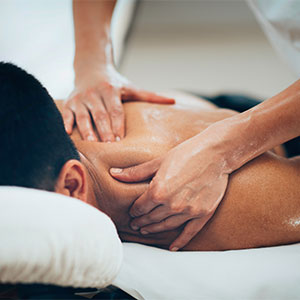
Therapeutic massage for stress and muscle recovery is a hands-on treatment that uses targeted pressure, strokes, and muscle manipulation to relieve physical tension and promote relaxation. It combines principles from anatomy and physiology to improve both mental well-being and physical function. It works by targeting muscles, soft tissues, and joints by using hands-on techniques such as kneading, pressure, and stretching to relieve tension, reduce stress, and promote recovery.
How Does Therapeutic Massage Help with Stress?
For stress, therapeutic massage helps calm the nervous system and reduce stress hormones like cortisol. At the same time, it encourages the release of “feel-good” chemicals such as serotonin and endorphins. This leads to:
- Reduced anxiety and mental fatigue
- Improved mood and sleep quality
- A general sense of relaxation and well-being
Techniques like Swedish massage and Aromatherapy massage are especially effective for stress relief.
How Does Therapeutic Massage Help with Muscle Recovery?
For the body, therapeutic massage focuses on relieving muscle tightness, improving circulation, and accelerating recovery after physical activity or injury. Key benefits include:
- Reduced muscle soreness and stiffness
- Improved blood flow and oxygen delivery to tissues
- Breakdown of adhesions (muscle knots)
- Enhanced flexibility and range of motion
For deeper muscle work, Deep tissue massage and Sports massage are commonly used.
When is Therapeutic Massage for Stress and Muscle Recovery Recommended?
Therapeutic massage for stress and muscle recovery is recommended in situations where the body and mind are under strain and need support for healing and relaxation. Common scenarios include:
- Chronic stress or anxiety: When you experience ongoing mental tension, poor sleep, or fatigue, massage techniques like Swedish massage can help calm the nervous system.
- Muscle soreness after physical activity: After workouts, sports, or strenuous labor, massages such as Sports massage help reduce soreness and speed up recovery.
- Muscle stiffness or tension: If you have tight knots, limited mobility, or postural strain (e.g., long desk hours), Deep tissue massage can target deeper muscle layers.
- Recovery from minor injuries: Massage can support healing in mild strains or overuse injuries by improving circulation and flexibility.
- Headaches and body aches: Tension-related headaches or general body discomfort often respond well to massage therapy.
What are the Different Types of Therapeutic Massages for Stress and Muscle Recovery?
Different types of therapeutic massages for stress and muscle recovery include the following:
- Swedish Massage (Relaxation-Focused): This is the most common type and involves gentle, flowing strokes, kneading, and circular movements applied with oil to relax the body and improve circulation. It focuses on relieving stress, easing muscle tension, and promoting overall relaxation.
- Deep Tissue Massage (Muscle Tension Relief): Targets deeper layers of muscle and connective tissue using firm pressure and slow strokes. It is recommended for chronic pain, tight knots, and postural problems, helping release long-standing tension.
- Sports Massage (Performance & Recovery): Sports massage is designed for physically active individuals. It helps prevent injuries, improves flexibility, and speeds up recovery after exercise or sports activities.
- Aromatherapy Massage (Stress Reduction): Aromatherapy massage combines gentle massage with essential oils like lavender or eucalyptus. It enhances relaxation, reduces anxiety, and improves mood.
- Trigger Point Therapy/Dry Needling (Pain Relief): This involves inserting thin, sterile needles into tight muscle knots (trigger points) to release tension and reduce pain. It is effective for headaches, neck pain, and localized muscle stiffness.
- Hot Stone Massage (Deep Relaxation): Hot stone massage uses warm stones placed on the body to relax muscles and improve blood flow. It is particularly helpful for deep relaxation and easing muscle tension.
- Myofascial Release (Fascia relaxation): Targets the fascia (connective tissue around muscles) with slow, sustained pressure. It helps reduce pain, improve mobility, and restore normal movement by releasing tension in the soft tissues.
- Shiatsu Massage (Pressure point therapy): A Japanese technique applying finger pressure on specific energy points. It is best for stress, fatigue, and tension.
- Thai Massage (Stretching & Flexibility): Thai massage combines acupressure and assisted stretching. It improves flexibility, relieves tension, and energizes the body.
What are the Benefits of Therapeutic Massages for Stress and Muscle Recovery?
Therapeutic massage offers both mental and physical benefits, making it an effective approach for overall well-being:
- Reduces stress and anxiety by lowering cortisol levels and promoting relaxation
- Relieves muscle tension and soreness after physical activity or strain
- Improves blood circulation, enhancing oxygen and nutrient delivery to tissues
- Speeds up muscle recovery and reduces post-exercise stiffness
- Enhances flexibility and range of motion
- Promotes better sleep quality and mental clarity
In short, therapeutic massage helps the mind relax while supporting the body’s natural healing and recovery processes.
Summary
Therapeutic massage is a safe, non-invasive approach to managing stress and supporting muscle recovery. It is both a relaxation therapy and a recovery tool - helping the mind unwind while supporting the body’s natural healing process. It is widely used for managing everyday stress, improving physical performance, and aiding recovery from muscle strain or overuse.